

SEE Peace Fellowship : ค้นหาหนังสือธรรมะ หน้า 1 / 1
หน้าหนังสือทั้งหมด
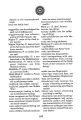
243
Buddhist Terminology and Concepts
Speech at the transcendental level) see sense consciousness) manussasampatti (see worldly wealth) Mara q.v. (P. devil, demon) maggañāṇa (see knowledge of the path out of defilements) maraṇa (see dying
This text delves into essential Buddhist terms and their meanings. It covers concepts such as Mara (the demon), Mettā (loving-kindness), and the significance of terms like 'maraṇa' (dying) and 'mutti'
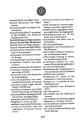
247
Glossary of Buddhist Terms
Sammañi Dıṭṭhi (see Right View)
Sammaña Kammanta (see Right Action)
Sammaña Samādhi (see Right Concentration)
Sammaña Sambuddho (P. an epithet of the Buddha: the Perfectly Enlightened One)
Sammañ
This glossary serves as a valuable resource for those exploring Buddhism, providing definitions and explanations of important terms. It covers concepts such as Right View, Right Action, and mindfulnes
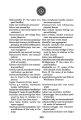
242
Glossary of Key Buddhist Terms
Kakusandha (P. the name of a käya samphassa (tactile contact: past Buddha) see sense-contact)
kalla (see embryonic precursor) käyasucarita (see wholesome
kāma (see sensuality) physical deeds)
kāmabhav
This text provides a glossary of key Buddhist terms, including definitions and insights into concepts such as Käyasucarita (wholesome physical deeds), Kāmabhava (sense-sphere existence), and various f
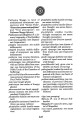
245
Understanding Pathama Magga and Associated Concepts
Pathama Magga (a level of *phötthabba tanhä* (tactile craving: meditational attainment, synonymous with "Initial Path", *phötthabba vicāra* (tactile discursive thought: see sense discursive thought: s
This text delves into the intricate concepts surrounding Pathama Magga in Buddhist teachings. It includes various terms such as tactile craving (*phötthabba tanhä*), tactile thought conception (*phött
237
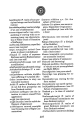
Exploring Concepts of Buddhist Mythology
Asaññisatta (P. realm of non-per- ayatana nibbāṇa q.v. (lit. the recipient beings: see form Brahmā sphere of Nirvana realms) āsavakkhayañāṇa (see knowledge of an end of defilements) ayatana (lit. sphe
This text delves into intricate Buddhist concepts such as Asaññisatta, the realm of non-perception, and its relation to Nibbāṇa, highlighting essential terms like bhāvanā (development), and defilement
244
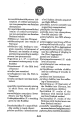
Understanding Buddhist Concepts: Nirvana and Absorptions
nevasāññāṇasāññāyatana (absorption of neither-perception-nor-non-perception: see formless absorptions) Nevasāññāsaññāyatanaabhūmi (realm of neither-perception- nor-non-perception: see formless Brahma
This text delves into various Buddhist concepts such as Nevasāññāṇasāññāyatana, the realm of neither-perception-nor-non-perception, Nibbāna, and other related terms. It discusses the Five Aggregates,
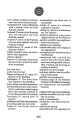
248
Glossary of Buddhist Terms
sota viṁñāṇa (auditory consciousness: see sense consciousness)
Subhakinhā (P. realm of Brahmās with a steady aura: see form Brahmā realms)
Suddassā (P. realm of the Brahmās who are beautiful: see for
This glossary provides definitions of key terms in Buddhism, including various realms of existence, aspects of consciousness, and significant teachings. It covers concepts such as 'sota viṁñāṇa' (audi
241
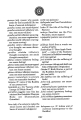
Understanding Sensory Terms in Buddhism
gammo (adj. reason why people icchā (see jealousy)
settle for the household life: see iddhipada (see Four Foundations
harm of sensual-indulgence) of Success)
gandha (scant: see sense-objects) Indra (P
This text delves into various sensory terms found in Buddhist scriptures, particularly focusing on olfactory and gustatory experiences. It covers concepts such as gandha (smell), jihvā (taste), and th
246
Fundamental Concepts in Buddhist Psychology
rasa-saṅchetana (gasticatory volition: see sense volition)
rasa-saṃnā (gasticatory sense registration: see sense registration)
rasa-tanḥa (gasticatory craving: see sense craving)
rasa vicāra (ga
This text elaborates on significant concepts in Buddhist psychology, including gasticatory and visual perceptions such as rasa (taste) and rūpa (form). It addresses terms like gasticatory volition, se
249
Understanding Key Buddhist Concepts: A Glimpse into Mindfulness and Liberation
feeling: see aggregates) vedanānupassanā-satitapatthā (see mindfulness of feeling in the feeling) Vehapphalā (P. realm of Brahmas with abundant reward: see form Brahma realms) vibhavaṭaṅhā (see cravin
This text provides an in-depth understanding of various important Buddhist concepts. It covers essential terms such as vedanānupassanā (mindfulness of feelings), vipassanā (insight), and viriya (energ
236
Glossary of Buddhist Terms
Akiṇiṭṭhā (P. Realm of Supreme anurakkhāṇa-paddhāṇa (maintre Brahmas: see form Brahmā
akusalahamma (see unwhole- anusayā (see subtle defilements)
someness) apilapanasati (see monitoring as- alābha (se
This glossary provides definitions and explanations of essential Buddhist terms, including various realms, states of mind, and notable figures. Key concepts such as Anāgamī (non-returner), anatta (not
239
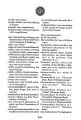
Understanding Suffering in Buddhism
dhammānupassanāsaṭipatthañā dukkhā dukkhā (see the suffering (see mindfulness of mental phenomena in the mental phenomena and also Paṭhama Magga Sphere) Dhammapadāṭhākathā (P. Dhammapada Commentary) d
เนื้อหานี้นำเสนอแนวคิดเกี่ยวกับความทุกข์ในพระพุทธศาสนา รวมถึงการเป็นผู้มีสติในการประจักษ์ทุกข์ การเข้าใจความรู้สึกผิดหวังและความโกรธ ซึ่งเป็นส่วนสำคัญในเส้นทางการพัฒนาทางปัญญาและการปล่อยวาง และการเข้า
238
Key Terms in Buddhist Philosophy
byādhi (see illness)
byādhi dukkhā (see the suffering of illness)
byāpāda (see vengefulness)
byāpādavitaka (see preoccupation with vengefulness)
cāgo (relinquishing, letting go: see characteristics of
This text delves into significant terms and concepts in Buddhist philosophy, addressing themes such as illness, suffering, relinquishing, and the foundations of success. Important terms like byādhi (i
235
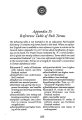
Reference Table of Pali Terms
Appendix D:
Reference Table of Pali Terms
The following table is not intended to be an exhaustive Pali-English dictionary: it contains only terms found in this book. Where an equivalent English term
The reference table provides a selection of Pali terms related to Buddhist philosophy, arranged alphabetically for ease of use. Each term is accompanied by English translations and necessary clarifica
41
Finding True Peace Through Meditation
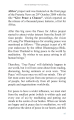
We will Definitely Find True Peace...
Africa' project and was featured on the front page
of the Pretoria News on 20th October 2008 with the
title "Give Peace a Chance", which reported on
the release o
The Peace for Africa project seeks to promote global tranquility, led by Luang Por Dhammajayo's vision for a peaceful world. Initiated with the release of peace lanterns in Pretoria, the project empha
63
Interfaith Cooperation for Lasting Peace
C O-OPERATION
Interfaith Activities
The world of religion today is like a flower garden made beautiful by the diversity of colour and scent. In an age when the life of those in society is becoming in
The Dhammakaya Foundation has actively participated in interfaith dialogues and forums, promoting cooperation between different religions. These engagements aim to create a united approach to spiritua
39
Finding True Peace: Beyond Words and Wars
Chapter 8
We will Definitely Find
True Peace...
e often talk about 'peace' after 'wars' have
We
about 'peace', it can never stop wars that have hap-
pened or are happening. It has been written that
"e
This chapter discusses the concept of 'True Peace' and how it is often romanticized in literature and rhetoric but remains elusive in reality. It highlights the desire for peace among all societal cla
67
Dhammakaya Foundation's Role in Promoting Peace
United Nations: Non Governmental Organizations
Since August 1986 the Dhammakaya Foundation has become the United Nations - accredited Non-Governmental Organisation associated with the Department of P
The Dhammakaya Foundation has been a UN-accredited NGO since August 1986, actively participating in various peace initiatives, including the Millennium People's Assembly and the International Year for
1
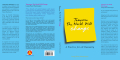
Tomorrow The World Will Change
Luang Phaw Dhammajayo was born in Singburi Province, Thailand in 1944. Backed with deep interests in Buddhism and meditation, he was ordained as a Buddhist monk at the age of 25 at Wat Paknam Bhasicha
Luang Phaw Dhammajayo, a prominent Buddhist monk from Thailand, advocates for world peace through inner peace and meditation. He emphasizes that true happiness is attainable and essential for achievin
177
Dhammakaya Foundation and Its Global Engagement
Dhammakaya foundation has also been a member of The World Fellowship of Buddhists (WFB) and the World Fellowship of Buddhist Youth (WFBY) since 1986. The Dhammakaya foundation has participated in many
Dhammakaya Foundation has been a member of The World Fellowship of Buddhists (WFB) and the World Fellowship of Buddhist Youth (WFBY) since 1986. The foundation actively participates in various activit